Ledger.com/start – The Official Gateway to Secure Ledger Wallet Setup
Owning cryptocurrency means taking full responsibility for your digital wealth. Unlike traditional banking, there is no password reset or customer service that can recover lost crypto. Once access is gone, funds are usually lost forever. This reality makes secure storage essential. Ledger hardware wallets are designed to provide strong protection for digital assets, and Ledger.com/start is the official and safest place to begin using one.
This guide explains what Ledger.com/start is, how the setup process works, and how to use your Ledger wallet securely from day one.
Understanding Ledger.com/start
Ledger.com/start is the official onboarding platform created by Ledger for initializing its hardware wallets. The purpose of this page is to guide users through a secure setup process while ensuring that only authentic Ledger software is used.
Because phishing websites and fake wallet apps are common in the crypto space, starting from Ledger.com/start helps prevent security risks. The page provides verified instructions, directs users to legitimate downloads, and ensures private keys remain protected at all times.
Why Hardware Wallets Matter in Crypto
Cryptocurrency wallets fall into two broad categories: online wallets and hardware wallets. Online wallets are connected to the internet and are more vulnerable to malware and hacking. Ledger hardware wallets, on the other hand, store private keys inside a protected Secure Element chip that remains isolated from online threats.
Key benefits of using a Ledger wallet include:
Private keys are stored offline
Transactions require confirmation on the device
Protection from viruses and keyloggers
Compatibility with thousands of digital assets
No dependence on exchanges or third parties
Ledger wallets give users full ownership and control of their crypto.
How to Begin at Ledger.com/start
When you visit Ledger.com/start, you are guided through a step-by-step setup process designed for security and ease of use. Each stage is explained clearly so even beginners can complete setup with confidence.
Step 1: Select Your Ledger Wallet Model
The first step is choosing the Ledger device you own. Common models include:
Ledger Nano X
Ledger Nano S Plus
Each device has different features, such as Bluetooth connectivity or storage capacity, so selecting the correct model ensures accurate instructions.
Step 2: Download Ledger Live
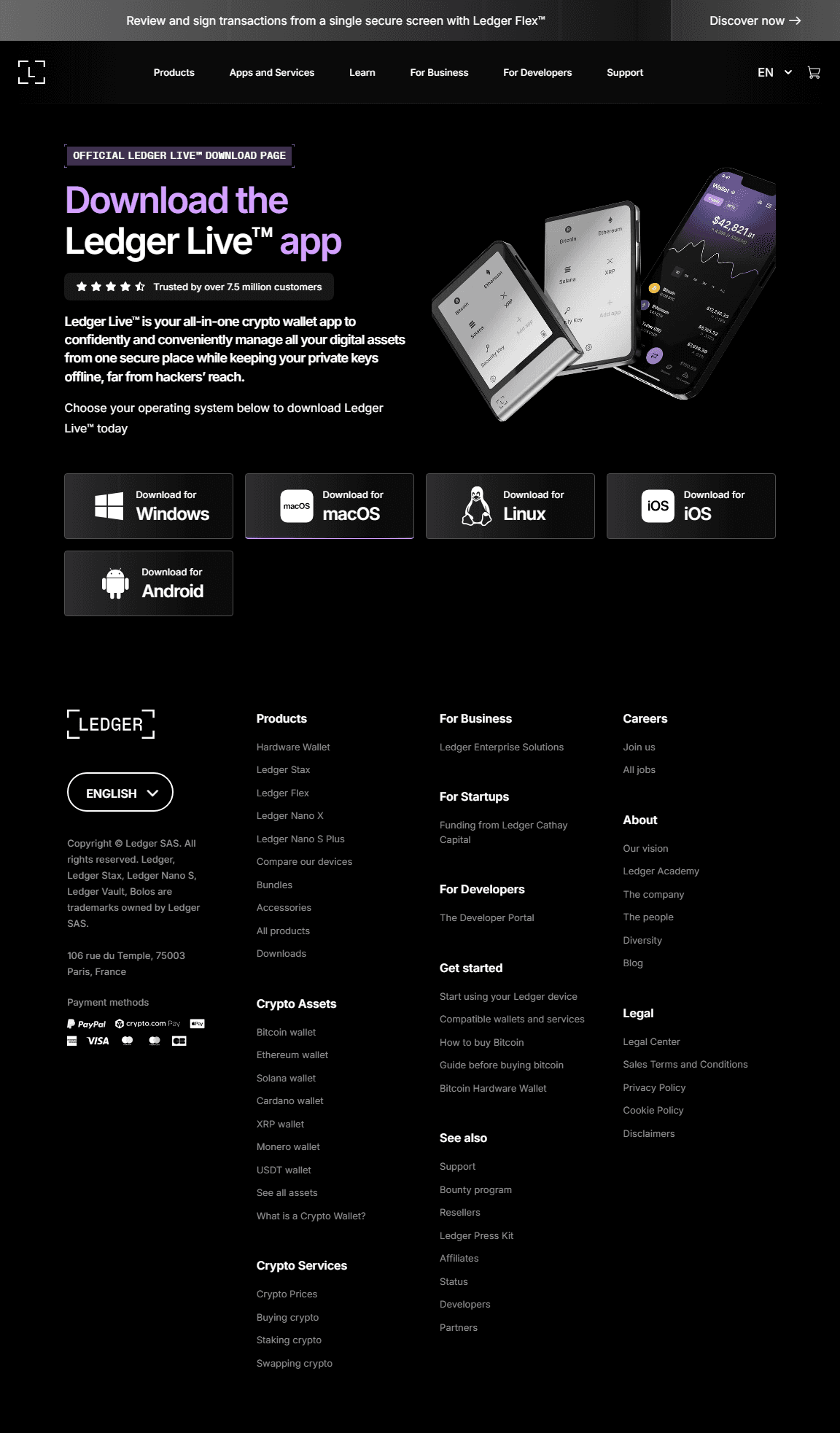
Next, Ledger.com/start directs you to download Ledger Live, the official application used to manage Ledger wallets. Ledger Live allows users to:
Install apps for different blockchains
Create and manage crypto accounts
Send and receive digital assets
Monitor balances and transaction history
Perform secure firmware updates
For security reasons, Ledger Live should always be downloaded through Ledger.com/start and nowhere else.
Step 3: Connect and Initialize the Wallet
Once Ledger Live is installed, connect your Ledger device to your computer or smartphone using the provided USB cable or Bluetooth connection (Nano X only).
You will then choose one of two options:
Create a new wallet
Restore a wallet using an existing recovery phrase
New users should select “Create a new wallet.”
Step 4: Set Up a Device PIN
You will be prompted to create a PIN code directly on the Ledger device. This PIN protects the wallet from unauthorized physical access.
PIN security tips:
Avoid simple or predictable numbers
Never share your PIN with anyone
Do not store the PIN digitally
If the wrong PIN is entered multiple times, the device automatically resets to protect your assets.
Step 5: Record the Recovery Phrase
The most important part of setup is creating the 24-word recovery phrase. This phrase is the master backup for your wallet and provides full access to your crypto.
You must:
Write the words down exactly as displayed
Keep them in the correct order
Store them offline in a secure location
Never share them or store them digitally
Ledger does not keep a copy of this phrase and cannot recover it for you.
Step 6: Confirm the Recovery Phrase
To ensure accuracy, the device will ask you to verify the recovery phrase by selecting the words in the correct sequence. This step confirms that your backup was recorded correctly.
Skipping or rushing this step may result in permanent loss of access if recovery is ever needed.
Step 7: Add Cryptocurrency Accounts
After setup is complete, you can install cryptocurrency apps and add accounts using Ledger Live. Ledger supports a wide range of digital assets, including:
Bitcoin (BTC)
Ethereum (ETH)
XRP
Solana (SOL)
Cardano (ADA)
Polygon (MATIC)
Thousands of additional tokens
Once accounts are added, you can securely send, receive, and store crypto.
Ongoing Safety Practices
Using a Ledger wallet responsibly means following good security habits over time:
Always access setup and downloads through Ledger.com/start
Never enter recovery phrases on websites or apps
Confirm transaction details on the device screen
Keep Ledger Live and firmware up to date
Store recovery phrases in secure physical locations
Ledger will never request your recovery phrase or PIN.
Common Errors to Avoid
Many crypto losses happen due to simple mistakes. Avoid the following:
Downloading Ledger Live from unofficial websites
Entering recovery phrases into online forms
Buying used or preconfigured Ledger devices
Taking photos of recovery phrases
Trusting unsolicited “support” messages
Ledger.com/start is designed to help users avoid these risks.
Final Summary
Ledger.com/start is the official and safest way to begin using a Ledger hardware wallet. By following the setup instructions carefully, you ensure your device is authentic, your recovery phrase is properly secured, and your digital assets remain fully under your control.